In my years of designing complex smart home systems, the device my clients are most surprised by isn’t the flashy smart screen or the colorful lights; it’s the humble smart plug. It’s often overlooked, seen as too simple to be truly “smart.” But I’m here to tell you that this small, affordable device is the secret workhorse of any intelligent home. It’s the most versatile and impactful first step anyone can take on their smart home journey.
So, let’s unplug the confusion and dive into what smart plugs are and why you genuinely need them.
What Exactly is a Smart Plug?
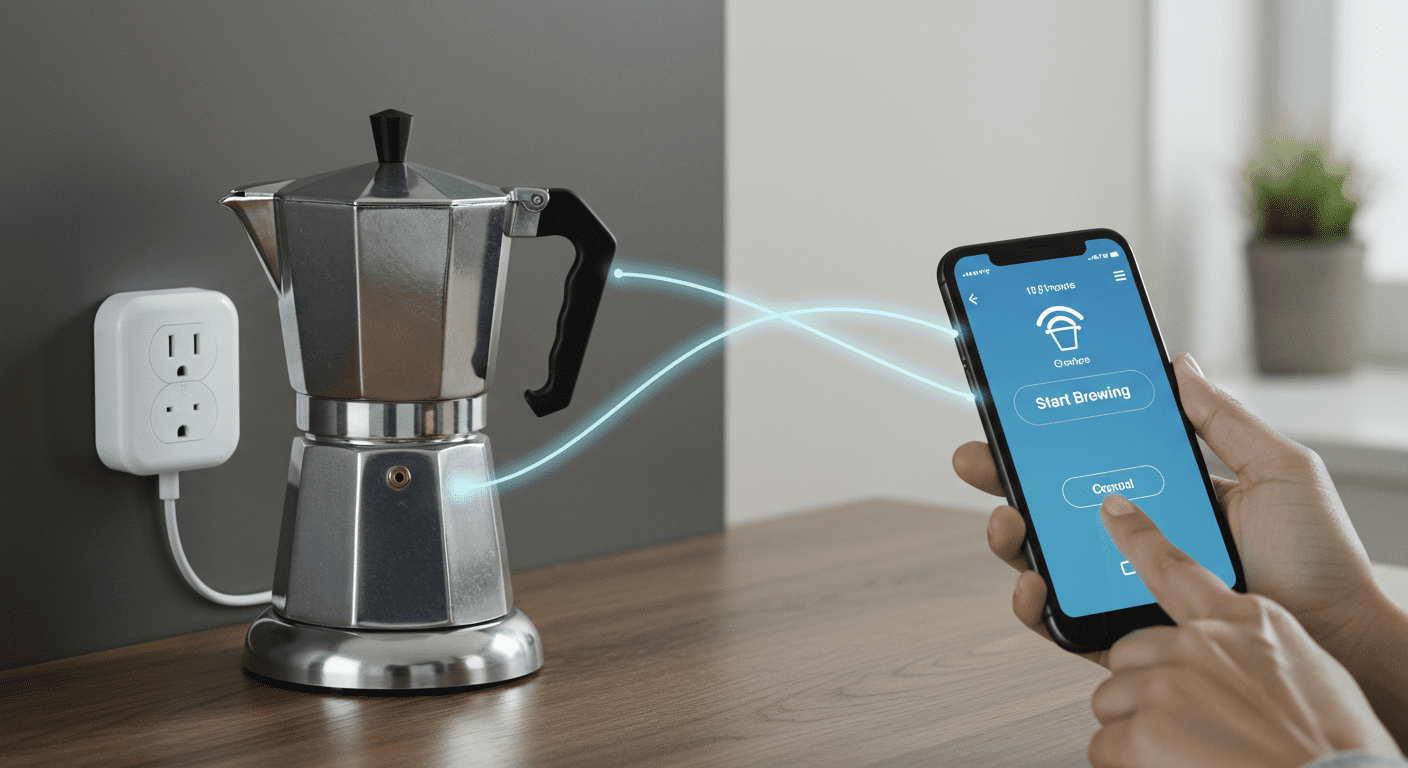
Think of a smart plug as a magic adapter. You plug it into your regular wall outlet, and then you plug your “dumb” appliance—like a coffee maker, a floor lamp, or a fan—into the smart plug. That’s it.
Internally, the plug connects to your home’s Wi-Fi network. This simple connection allows you to turn the power supply to that appliance on or off from anywhere using an app on your phone. More importantly, it allows your central smart hub (like Amazon Alexa or Google Home) to control it with your voice or through automated routines. You’ve essentially given a simple on/off appliance a digital brain.
Why You Genuinely Need Them (More Than Just a Gadget)
The true power of smart plugs comes from the capabilities they unlock. Here are the four key reasons they are an essential part of any smart home, big or small.
1. Unlocking “Dumb” Appliances
Look around your room. That floor lamp in the corner? That fan you only use at night? The holiday lights you have to plug in and unplug every single day? These are all perfect candidates. A smart plug instantly integrates them into your smart home, allowing you to say, “Hey Google, turn on the living room fan,” without ever leaving the couch.
2. Convenience Through Automation and Scheduling
This is where the real magic happens. You’re not just turning things on and off remotely; you’re putting them on a schedule.
- Morning Routine: Have your smart plug turn on the coffee maker five minutes before your alarm goes off.
- Air Quality: Schedule an air purifier to run for a few hours in the afternoon and turn off automatically.
- Holiday Decor: Set your Christmas tree and outdoor lights to turn on at sunset and off at midnight, all season long, without touching a thing.
3. Enhancing Home Security
Most smart plug apps have a feature called “Away Mode” or “Vacation Mode.” When enabled, the plug will randomly turn a connected lamp on and off during the evening hours. To an outsider, it looks like someone is home, moving around the house. This is an incredibly simple and effective deterrent for potential burglars.
4. Saving Energy (and Money)
Many electronics consume “phantom” or “vampire” power even when they’re turned off. Your entertainment center—with its TV, game console, and soundbar—is a major culprit. By plugging your entire power strip into a smart plug, you can create a “shut down” routine that completely cuts power to all those devices, eliminating phantom power draw overnight.
The “Did I Leave the Iron On?” Problem Solved
I worked with a client who had persistent anxiety about leaving her hair straightener or clothes iron on after she left for work. It was a daily source of stress. The solution wasn’t a complex, whole-home rewiring. It was a single, $15 heavy-duty smart plug.
We plugged her styling station’s power strip into it. Now, if that moment of panic hits her at the office, she can simply open an app on her phone, see if the plug is “On,” and turn it off with one tap. Better yet, we created a simple automation: the plug automatically turns itself off every weekday at 9:00 AM, just in case she forgets. That one simple device solved a daily, real-world problem and gave her immense peace of mind. That is the true power of a smart home.
My Expert Take: What to Look for Before You Buy
Not all smart plugs are the same. Here’s my professional checklist to ensure you buy the right one:
- Ecosystem Compatibility: This is rule number one. Ensure the plug is compatible with your chosen system (Amazon Alexa, Google Home, or Apple HomeKit). The logo will be right on the box.
- Safety Certifications: This is non-negotiable. Only buy plugs that are UL or ETL certified. This means they have been rigorously tested by a third party to meet critical safety standards and won’t be a fire hazard.
- Power Rating (Amperage): For a lamp or a fan, any standard plug will do. But for heat-producing appliances like a space heater, an iron, or a window A/C unit, you MUST use a heavy-duty plug rated for at least
15A(15 amps). Using an underrated plug is dangerous. - Form Factor: Check the plug’s size and shape. Many bulky, older designs will block your second wall outlet. Look for newer, compact designs that leave room for other plugs.
Solving the Biggest Beginner Problem: “Is It Worth the Cost?”
When you’re starting out, it’s easy to wonder if even a small investment is “worth it.” With smart plugs, the answer is a resounding yes. A single, high-quality smart plug can often be found for under $15.
Here’s how to frame the value: For the price of a few fancy coffees, you are buying tangible convenience, enhanced security, and real peace of mind. You are taking a “dumb” object you already own and giving it superpowers. There is no other device that offers so much functionality and impact for such a low cost. It is, without a doubt, the most cost-effective entry point into a truly smart home.
Conclusion: Your First, Best Step to a Smarter Home
The smart plug isn’t just a gadget; it’s a tool. It’s a problem-solver. It bridges the gap between your traditional appliances and your new smart ecosystem. Whether you’re a tech enthusiast or a complete beginner, starting with a few smart plugs is the simplest, safest, and most rewarding way to begin your smart home journey.