The most common mistake I see people make when starting their smart home journey is buying a collection of cool gadgets without a plan. They end up with a drawer full of smart plugs they don’t use and a mess of different apps on their phone. As a professional integrator, my first and most important job is to help clients step back and create a cohesive plan.
A successful smart home isn’t built by chasing the latest tech. It’s built by identifying your daily routines, your biggest pain points, and your family’s needs on a room-by-room basis. It’s about solving problems, not just collecting devices.
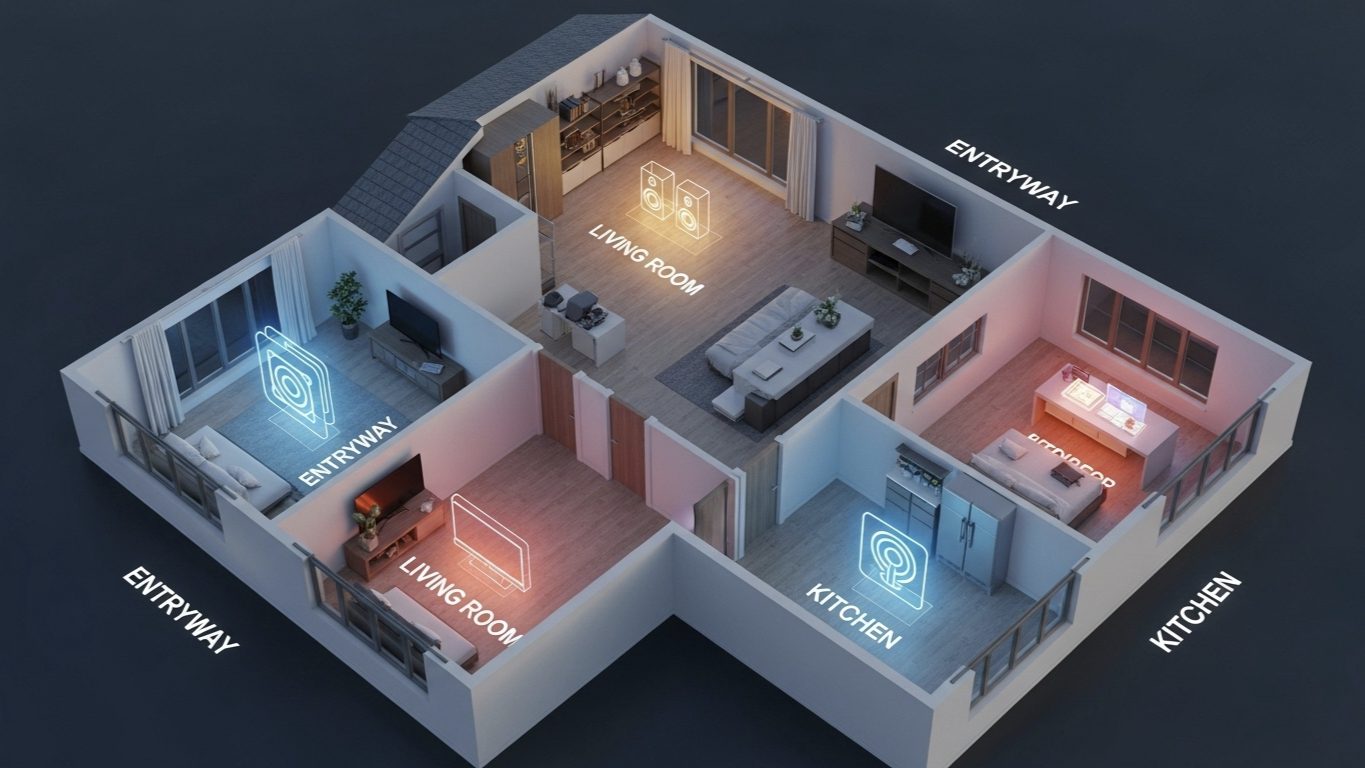
In this guide, I’m sharing the exact checklist-based approach I use during my professional consultations. We’ll walk through your home, room by room, and ask the right questions to create a smart home plan that is practical, scalable, and perfectly tailored to the way you live.
The Foundation: Before You Begin (The Whole-Home Layer)
Before we step into any specific room, every great smart home needs a solid foundation. Get these three things right, and everything else will be easier.
- [ ] The Network: Do you have a strong, reliable Wi-Fi signal in every corner of your home? If not, a mesh Wi-Fi system is your first and most important investment.
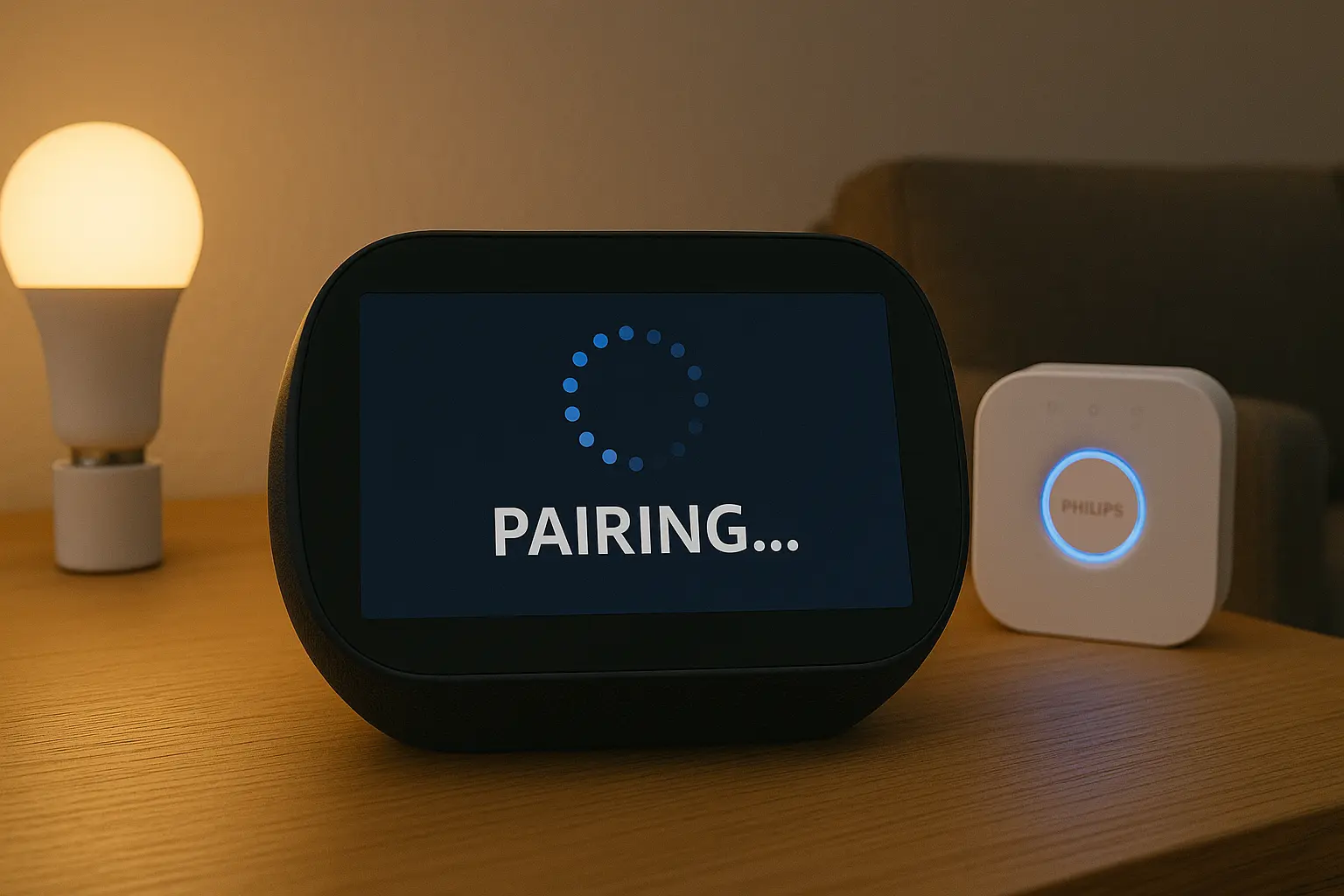
- [ ] The “Brain”: Which voice assistant will be the primary controller of your home? Choose your team: Amazon Alexa, Google Assistant, or Apple HomeKit. This will guide many of your device choices.
- [ ] The Hub (Optional but Recommended): For a more advanced home, will you use a dedicated hub like Hubitat or SmartThings for faster, local automation?
The Entryway / Foyer: Your First Impression
Goal: To create a welcoming, secure, and automated transition when you enter and leave your home.
- [ ] Smart Lock: Do you want to go keyless? A smart lock (like Schlage, August, or Yale) allows for keycode entry, auto-locking, and remote access for guests.
- [ ] Video Doorbell: A must-have for security and convenience. See who’s at the door, get package notifications, and answer from anywhere (Ring or Nest are the top players).
- [ ] Smart Lighting: A single smart switch or a smart bulb in the main fixture is perfect.
- Automation Idea: Create a “Welcome Home” routine where the entryway light turns on automatically when your smart lock is unlocked after sunset.
- [ ] Security Sensor: A simple contact sensor on the front door can trigger announcements or security routines.
The Living Room / Family Room: The Hub of Entertainment
Goal: To simplify entertainment, create comfortable ambiances, and automate daily routines.
- [ ] Smart Speaker/Display: This is the command center. A smart display like an Echo Show or Google Nest Hub is perfect here for visual feedback, photo displays, and video calls.
- [ ] Smart Lighting: This is where you can get creative.
- Smart switches for overhead lights.
- Color-capable smart bulbs (like Philips Hue) in lamps to create “Movie Night” or “Relax” scenes with specific colors and brightness.
- [ ] TV & Entertainment Control:
- A simple smart plug for your TV can add it to “Goodbye” routines to ensure it’s off.
- For advanced control of multiple devices (TV, soundbar, streaming box), a Broadlink IR/RF blaster can be a budget-friendly way to add voice control to “dumb” devices.
- [ ] Automated Window Shades: A true luxury item, but automated blinds or curtains (like those from Lutron or Somfy) can automatically close for movie time or open in the morning.
The Kitchen: The Heart of the Home
Goal: To make a busy space more efficient, convenient, and safe with hands-free control.
My Pro Tip: This is the best room in the house for a smart display. Being able to see timers, follow recipes, or watch videos while your hands are messy is a game-changer.
- [ ] Smart Display: A Google Nest Hub or Echo Show 8 is the perfect kitchen companion.
- [ ] Smart Plugs: Ideal for “dumb” appliances. Put one on your coffee maker to have it start with your morning routine. Use another for a slow cooker.
- [ ] Smart Lighting: Under-cabinet smart LED strips can provide excellent task lighting, and you can turn them on with your voice when your hands are full. A smart switch for the main overhead light is also essential.
- [ ] Safety Sensors: A smart smoke/CO detector (like the Nest Protect) can send an alert to your phone if there’s an issue, even when you’re not home. A water leak sensor under the sink or dishwasher can save you from a catastrophic flood.
The Bedroom: Your Personal Sanctuary
Goal: To create a restful environment that promotes better sleep and a gentle awakening.
- [ ] Smart Speaker: A small, screen-less speaker like an Echo Dot or Nest Mini is ideal for the nightstand to avoid distracting light.
- [ ] Smart Lighting:
- Warm-dimming smart bulbs are my top recommendation. They can be set to a bright, cool white during the day and a very dim, warm, candle-like glow at night to help your body prepare for sleep.
- Automation Idea: Create a “Bedtime” routine that dims the lights, plays calming sleep sounds, and sets your alarm.
- [ ] Smart Blinds/Curtains: The ultimate wake-up tool. Having your blinds open automatically with the sunrise is a powerful way to wake up naturally.
- [ ] Smart Thermostat Sensor: Many smart thermostats (like Ecobee) come with remote sensors. Placing one in your bedroom ensures the temperature is perfect for you while you sleep, not based on the hallway temperature.
The “Everything Else” Checklist: Bathrooms, Offices, and Outdoors
- [ ] Bathroom:
- A smart speaker with good audio quality (like a Sonos One) for music or podcasts while you get ready.
- A motion sensor linked to a smart switch can automatically turn on a dim night light for late-night trips.
- [ ] Home Office:
- A smart power strip can turn on your monitors, computer, and desk lamp with a single “Start workday” command.
- High-quality smart lighting that can be tuned to a bright, focus-enhancing “daylight” color.
- [ ] Outdoors:
- Smart floodlight cameras (like Ring or Arlo) for security.
- Smart sprinkler controller (like Rachio) to automate your watering and save money.
- Smart plugs for outdoor use to control landscape lighting or holiday decorations.
My Final Advice: Prioritize, Then Purchase
Don’t look at this list and feel overwhelmed. You don’t need to do everything at once. Pick one room—the one where you have the biggest daily frustrations—and start there. Use this checklist to identify the 2-3 devices that will have the most significant impact on your life in that space.
A smart home is a marathon, not a sprint. By planning thoughtfully and focusing on solving real problems, you’ll build a home that is not just full of technology, but is genuinely more comfortable, efficient, and enjoyable to live in.