In a connected home, Zigbee vs Z-Wave security encryption comparison is a foundational concept. This guide explains what Zigbee vs Z-Wave security encryption comparison means, why it’s essential, and how to implement it successfully. By the end, you’ll understand Zigbee vs Z-Wave security encryption comparison and be ready to apply it in your own setup.
Zigbee vs Z-Wave security encryption comparison
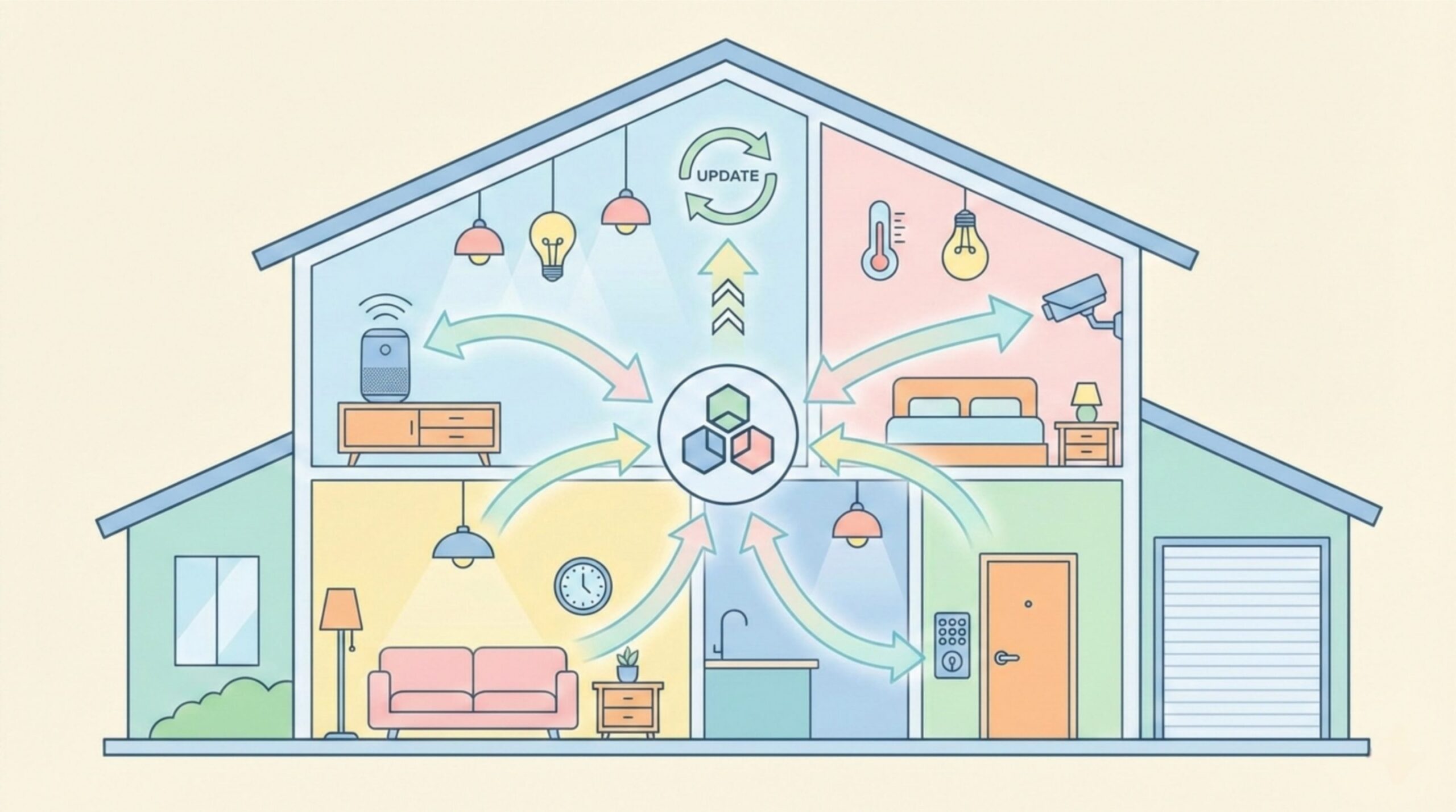
Interoperability defines a robust smart home. The framework behind Zigbee vs Z-Wave security encryption comparison lets devices from different brands work together smoothly, avoiding app overload and vendor lock-in. Understanding this framework is key to scaling and maintaining your system.
Why Zigbee vs Z-Wave security encryption comparison Matters
This approach improves reliability, security, and choice. Devices aligned with Zigbee vs Z-Wave security encryption comparison get regular updates and remain compatible across hubs. It also future-proofs your investment and extends device lifespan.
Consider a typical family: they might have a speaker from one brand, lights from another, climate controls from a third. Without a unifying standard, these operate independently, limiting automation potential. The standard we’re exploring provides common data models and protocols so they can interoperate seamlessly.
Auditing Your Current Setup
Start by inventorying every device and its protocol. Identify which bear the Zigbee vs Z-Wave security encryption comparison certification. Your hub must also support the standard to serve as coordinator. Non-compliant devices can be phased according to budget and need.
Pay special attention to battery-powered gadgets—sensors, locks, remotes—as they often have unique networking requirements. Also assess your Wi-Fi coverage; dead zones impair reliability. Investing in a mesh system or extra access points may be necessary before expanding.
Implementation Steps
1. Confirm hub compatibility. If lacking, upgrade or add software support. 2. Purchase certified devices incrementally—start with lights or plugs to build confidence. 3. Commission each device using its app, following prompts carefully. 4. Test automations thoroughly before adding more devices. 5. Keep a log of device IDs, locations, and settings for future reference.
Prefer devices with local control and OTA update capabilities; these attributes complement standard compliance and keep your system self-reliant and secure.
Troubleshooting Common Issues
Issues like pairing failures, dropouts, or update errors are common early on. Try rebooting hub and device, confirming firmware is current, and checking network stability. Consult official docs for error codes; factory resets can resolve stubborn states. Community forums often offer device-specific tips.
Intermittent connectivity? Move the device closer to the hub/router temporarily to test signal strength. Check for interference from microwaves, cordless phones, or neighboring networks. Switching Wi-Fi channels helps. Weak batteries in wireless devices also cause dropouts—replace them promptly.
Performance Optimization
Good network hygiene goes a long way. Use a stable Wi-Fi with strong signal, or position Thread border routers wisely. Consider VLAN segmentation to isolate IoT traffic from personal devices, and configure QoS to prioritize critical devices. Regularly review logs for warnings before they become outages.
Secure your Wi-Fi with WPA2/3, disable WPS, and use a complex passphrase. Adopt a consistent naming convention for devices; this simplifies creating automations and diagnosing problems later.
Advanced Configuration
Fine-tune reporting intervals to balance battery life against responsiveness. Custom event handlers enable sophisticated automations. Integration with platforms like Home Assistant unlocks further power. Always back up configurations before experimentations in a sandbox environment first.
Some enthusiasts deploy a backup controller for redundancy. While complex, such setups can keep critical automations running even if the main hub fails. Evaluate the trade-offs based on your needs.
Long-Term Maintenance Practices
Regular audits, firmware updates, and hardware refreshes keep your system healthy. Maintain a simple inventory spreadsheet with device names, firmware versions, and last checked dates. Update it quarterly to stay ahead of obsolescence.
Monitor industry developments. The standard itself evolves, and new device types appear regularly. Being early to adopt improvements keeps your home cutting-edge without constant replatforming.
Conclusion
Embracing Zigbee vs Z-Wave security encryption comparison gives you a roadmap to a future-proof smart home. You now have the knowledge to evaluate, adopt, and maintain a system that is open, secure, and adaptable. Start with a few devices, learn as you grow, and soon your entire home will benefit from the harmony that Zigbee vs Z-Wave security encryption comparison enables.
Read also: What is a Smart Home?.
Read also: Matter over Thread vs Wi-Fi.
Additional Insights
Many users neglect power protection. A UPS for your hub and router can keep the system alive during short outages, preserving schedules and automations. For longer outages, consider adding battery-backed hubs or网关 devices that maintain core functionality.
Documentation is another often-overlooked aspect. Keep a master list of device serial numbers, MAC addresses, and where they’re installed. This speeds up replacement and troubleshooting. Store it both digitally and physically in case of total system failure.
Finally, join a community of enthusiasts using the same standard. Shared experiences accelerate learning and help you avoid pitfalls that others have already solved. The collective knowledge is a force multiplier as you grow your smart home.